Before I went to Germany I was not exactly sure what
to expect or what I would find once I arrived.
I had never met any of the other Fellows that I would be traveling with
for the next three weeks, I didn’t speak any German, and I didn’t really know
much about the history and culture of the country. To say the least I was a little nervous and
apprehensive about what the next three weeks would be like for me. I of course had heard a few things about
Germany. I knew that they, like the
rest of Europe, strongly oppose Bio-technology, as well as most other
advancements in agricultural technology.
I had heard that in general they respect and support their farmers
because they remember being hungry after WWII.
I had been taught that they were saved from the Nazis by the Americans
and from the Soviet Union by Ronald Reagan.
I had also heard that with the strongest and largest economy in Europe,
the financial success of the EU rests largely with Germany. I soon found that much of what I thought I
knew about Germany was grossly exaggerated and inaccurate.

I soon became good friends with the other “McFellows”. Robert, a grain farmer from northern Idaho
who specializes in precision agriculture and strongly supports Ag technology
and Bio-tech (a position not always popular in Germany). Paul, a cattle rancher from Arizona, raises
and markets grass fed beef to local markets (mostly farmers markets) in Phoenix
and Tuscan. Paul had a good
understanding of the local food movement and the consumers desire to purchase
food produced in what they believe is a sustainable and safe production
system. Raquel works for the Louisiana
Farm Bureau as a member of their field staff, basically the same job as I have
in Utah. We all brought different
perspectives which I felt were a great benefit because it helped me to look at
the different issues and situations from several viewpoints. We had some great conversations both amongst
ourselves and with the German people we met.
I never did learn much German which was ok because such a high
percentage of the German people speak English.
English seems to be the default language in Europe. At one location we were within 15 minutes
drive of both France and Luxemburg, three different languages within a 15
minute drive. English is taught in
German schools from an early age and has been for many years. The exception to this is in the eastern part
of Germany where until 1989 all students had to learn Russian, English was
somewhat discouraged. There are still
many people in the east who speak English, but not nearly as many of the older
generations.
What I really found was a country rich in history and a people who are
very proud of that history. Beautiful
castles and cathedrals are prominently located throughout the country, a
reminder of that history dating back to the Roman Empire around the time of
Christ. The country of Germany as we
know it today is a relatively young country.
However, people have inhabited this area for over 2000 years and have
been ruled by many different empires and kingdoms. Paul often told people that “Germans think
200 miles is a long way, and Americans think 200 years is a long time”. I found this to be very true, it was very
common to find buildings that were hundreds of years old, if not thousands. Even many of the homes that people live in
are over 100 years old, but they are well preserved and cared for. I had the impression that the German people
generally have an appreciation for and an understanding of their history that
most American don’t have for our history.
Yet everything is quite close, a short train ride and you can be
anywhere in the country, or even in one of the many other closely located
European countries. For example, it is
very easy for the German people to take a day and visit Paris or any one of
several other magnificent European locations without ever getting on a plane.
People

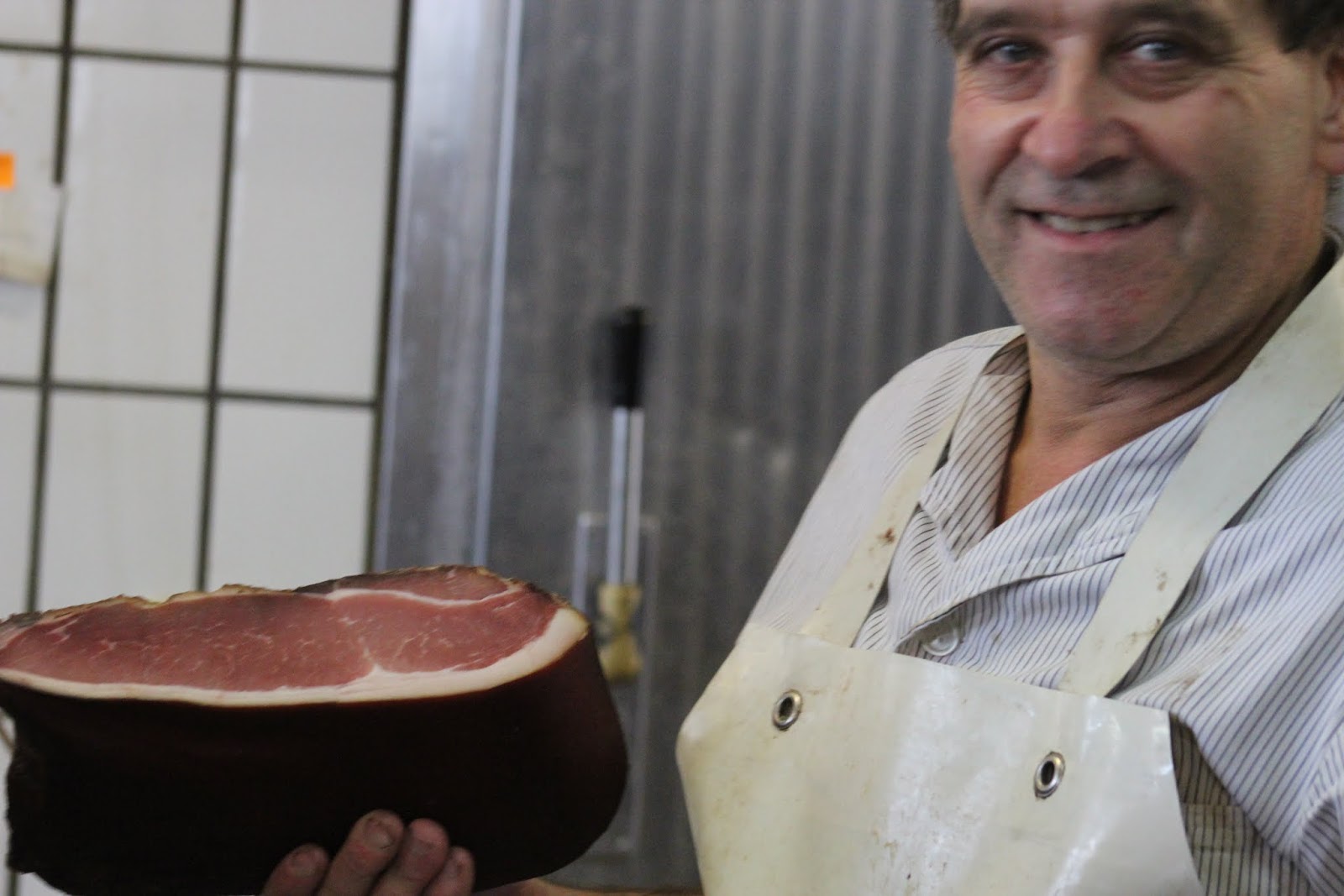 I especially enjoyed the opportunity to meet and visit with the people
of Germany and hear their perspective of history, especially modern
history. I had the chance to visit with
a few people who could remember WWII and its aftermath. And many people who told stories of the
separation of East and West Germany and fall of the Berlin Wall. We visited with a woman in Oldenburg, Ida
Ahlers. She was 20 years old when the
allied forces (mostly Canadians) attacked Oldenburg in what was one of the last
battles of the war, a terrible battle where several hundred soldiers (500
Germans and 300 Canadians) lost their lives.
She told of the Allied soldiers killing and scattering all the livestock
and burning the houses so there would not be anything left for the German
soldiers if they should retake the town.
Ida’s family was one of the more fortunate families, their home was
destroyed like most, but they had hidden some of their possessions outside and
those things where not destroyed. They
also found 10 baby pigs that were still alive hiding in the field. With these few possessions and the pigs they
rebuilt their lives. Ida had lost her
love earlier in the war; I believe they were planning on marrying when he
returned home. She never did marry. She is a wonderful lady who invited us
(complete strangers) into her home and told Robert about the history of the
town where his ancestors were from; even helped us visit the church where his
grandparents were confirmed. Her story
is just one of many of the good people who were caught up in the tragic events
of WWII. I think my perspective on the
war has changed by being able to become personally acquainted with the people
who were there, on the “other side”.
I especially enjoyed the opportunity to meet and visit with the people
of Germany and hear their perspective of history, especially modern
history. I had the chance to visit with
a few people who could remember WWII and its aftermath. And many people who told stories of the
separation of East and West Germany and fall of the Berlin Wall. We visited with a woman in Oldenburg, Ida
Ahlers. She was 20 years old when the
allied forces (mostly Canadians) attacked Oldenburg in what was one of the last
battles of the war, a terrible battle where several hundred soldiers (500
Germans and 300 Canadians) lost their lives.
She told of the Allied soldiers killing and scattering all the livestock
and burning the houses so there would not be anything left for the German
soldiers if they should retake the town.
Ida’s family was one of the more fortunate families, their home was
destroyed like most, but they had hidden some of their possessions outside and
those things where not destroyed. They
also found 10 baby pigs that were still alive hiding in the field. With these few possessions and the pigs they
rebuilt their lives. Ida had lost her
love earlier in the war; I believe they were planning on marrying when he
returned home. She never did marry. She is a wonderful lady who invited us
(complete strangers) into her home and told Robert about the history of the
town where his ancestors were from; even helped us visit the church where his
grandparents were confirmed. Her story
is just one of many of the good people who were caught up in the tragic events
of WWII. I think my perspective on the
war has changed by being able to become personally acquainted with the people
who were there, on the “other side”.
As I think back on my trip to Germany, I think about the history of the
county and how that has shaped the way society and the environment has been
manicured by man for hundreds of years. There
is hardly anywhere in Germany that has not been directly impacted in some way
by humans, yet you can easily find yourself in a forest that appears as though
it could be thousands of years old and never been seen by man. Germany is a beautiful country, very green, an
incredible mix of small villages, well cared for farm and grass land, and thick
forests. All pieced together in a well
planed manner that tends to hide the incredibly high population density. The land mass of Germany is roughly the same
size as California with almost twice the number of people. Even so, Germany continues to have beautiful
open spaces and a strong agriculture industry.
Regulation
I noticed a very high level of regulation that affects almost every
aspect of life in Germany. There are
very strict laws governing where and when people can build. The layout of the country has been very well
and very meticulously planned and structured for many years. Certain areas have been designated for
development, some for farming, some for grassland, and some for forest. It is seen as impossible to change the
designation of the land regardless of the need.
When we were in Bonn, We were told that the last parcel of land that is
available to build on is under construction right now. This means that in the future if Bonn needs
additional housing or office space, the only option will be to tear down
existing buildings and build up, taller buildings. This is not because there’s no undeveloped
land in Bonn, there are several farms dispersed throughout the city, forest
too. But that land is designated for
other purposed, and in the eyes of the German people today it is unthinkable to
change the existing designation of the land.
Almost all the land is privately owned, but that does not matter, the
land owners have very little control over what they can do with their own
land. It is even unthinkable to change
grassland to cultivated farm land, or forest to grassland. Forest seems to take precidence over most
other uses. In fact we were told that if
forest land is disturbed, for a new road for instance, you have to mitigate the
loss by replanting trees on some other location which typically leads to a
reduction in farm land. This approach to
forest protection reminded me of the way we protect wetlands in America. I suspect that this highly structured and
unflexible approach to land use will have to be reevaluate at some point in
the future if population grows? However,
with low birth rates population may not grow in which case this system may last
for a long, long time.
I also was told that no vehicle over 3 meters (10 feet) wide is allowed
to drive on the road. Most roads are so
narrow that any vehicle over 3 meters would not fit on the road, let alone be
able to pass another vehicle. Most farm
equipment also has to pass through narrow village streets in order to get from
one field to another (much of our large American farm equipment would not be
able to fit between the homes lining the streets). This is largely a result of strict land
use/zoning laws and the high population density. The people are in very close proximity to
most farms. This means that all farm
equipment must to be able to fold up smaller than 3 meters wide. This leads to small farm equipment that is
best suited to farm small acreage. Most
farms are small, with small fields, (at least in comparison to America) so no
one seems to think this is an issue. The
exception to this is found in the east where due to soviet control for 40 years,
the small farms were forced to combine into larger co-ops. This led to large tracts of land being set
aside where large equipment can operate without having to travel on the
roadway. So in the east you can find
some larger farms with larger equipment.
They also have very limited access to Wi-Fi, as we ask around about the
reasons why internet access was limited the only answer we could find was that
the laws regulating the internet seem to deter people from allowing others to
access their Wi-Fi. If someone commits a
crime while accessing your Wi-Fi, you are liable. In America it is common for some businesses (restaurants
and hotels) to offer free Wi-Fi while at their business, not the case in
Germany. Public Wi-Fi is very hard to
find and it is almost never free. This
was hard for us to understand how a country that is so developed can thrive with
such a limited ability to access the internet and the business advantages that
offers. I also noticed that it was not
common for hotels to have phones in the rooms, I am not sure why but it could
have been a result of government policy.
The limited ability to communicate was surprising to us.
Education
I was also very intrigued by their educational system. All children start what they call
Kindergarten, or the equivalent of our elementary schools. However after that at about 4th
grade, they then have a choice to make.
They can choose to enter a Gymnasium School where they study until 12th
grade and prepare for collage, much like the American educational system. Or they can choose to go to a Gesamtschule, a different type of
school that combines traditional studies with vocational-oriented
training. These schools are designed to
help students who have no desire to go to college receive the necessary skills
to be a productive member of society. After
graduating from these vocational schools(usually at 10th grade), it
is required to work for three years as an apprentice before receiving a
certificate in the chosen field. A
certificate is usually required in order to manage your own business or to be
employed in the particular field. If a
person wants to change professions, often times it is necessary to start over
with the three years of apprenticeship before receiving the required
certificate. For this reason it is not
very common for the German people to change careers. In order to allow people to apprentice for
you at your business, farms included, you must complete additional schooling
and become a master in the chosen field.
The system seems to make sense in that the students who are interesting
in attending college can focus on that goal from a young age and receive the
necessary educational preparation. At
the same time those students who have no desire to go on to college can focus
on developing skills that will be a benefit to them, and allow them to earn a
respectable living. It seems like a big
decision to have to make so early in life, but no one seemed to think it was a
problem. To me though it seemed that in
some ways the certification through apprenticeship system seemed to restrict
and limit new business start ups and social mobility after schooling. In most instances it is not allowed for just
anyone to start their own business unless they have first completed an
apprenticeship. We commented that a
company like Facebook would have never been allowed to start up in Germany,
because Mark Zuckerberg would have had no one to apprentice for.
Energy

 One of the first things that I noticed once we left Berlin was the high
number of windmills that I saw. It was
not uncommon to be able to count 30 or 40 windmills in sight at any given time
when you were not in a city. I also
started to notice a large number of solar panels, especially as we toured the
farms. They were common place on the
roof of barns and livestock buildings.
We toured several Bio-gas plants and drove by many more. Energy production is big business for German
farmers. Most of the farms we visited
produced some form of renewable energy, often times two or three different
types. Germany is very conscientious
about the use of “green energy” and agriculture has been the beneficiary of much
of this movement. Government subsidies
and price guaranties for the energy produced have helped renewable energy pop
up on farms all over Germany. On one
farm that had both solar panels and a Bio-gas plant I was told by the farmer
that he sells all the electricity that he produces because he can buy back what
he needs to power his milk barn at a lower price than he sells it to the power
grid. Bio-gas plants, receive a
government guaranteed price for twenty years.
So although they are very expensive to build, they can be paid for within
a few short years. Banks are very
willing to finance them with the guaranteed price for the energy. Germany has stopped all nuclear energy
production and is trying to replace it with as much renewable as possible, but
today even with all the renewable energy they produce, they are still dependent
on coal to provide the majority of their electricity. This may all sound good at first, everyone
wants to save the Environment, but it comes with a heavy cost to the German
people. In France, where all electricity
is produced from nuclear power plants the cost is about 2.5 cents/kw, in Germany
it is closer to 20 cents/kw. At one
point from where we were in Germany we could see the nuclear power plant in
France, and I am sure the French could see the windmills in Germany. So it looks to me like the German people
still have all the risks that come from Nuclear Power, but they allow France to
reap the benefit.
One of the first things that I noticed once we left Berlin was the high
number of windmills that I saw. It was
not uncommon to be able to count 30 or 40 windmills in sight at any given time
when you were not in a city. I also
started to notice a large number of solar panels, especially as we toured the
farms. They were common place on the
roof of barns and livestock buildings.
We toured several Bio-gas plants and drove by many more. Energy production is big business for German
farmers. Most of the farms we visited
produced some form of renewable energy, often times two or three different
types. Germany is very conscientious
about the use of “green energy” and agriculture has been the beneficiary of much
of this movement. Government subsidies
and price guaranties for the energy produced have helped renewable energy pop
up on farms all over Germany. On one
farm that had both solar panels and a Bio-gas plant I was told by the farmer
that he sells all the electricity that he produces because he can buy back what
he needs to power his milk barn at a lower price than he sells it to the power
grid. Bio-gas plants, receive a
government guaranteed price for twenty years.
So although they are very expensive to build, they can be paid for within
a few short years. Banks are very
willing to finance them with the guaranteed price for the energy. Germany has stopped all nuclear energy
production and is trying to replace it with as much renewable as possible, but
today even with all the renewable energy they produce, they are still dependent
on coal to provide the majority of their electricity. This may all sound good at first, everyone
wants to save the Environment, but it comes with a heavy cost to the German
people. In France, where all electricity
is produced from nuclear power plants the cost is about 2.5 cents/kw, in Germany
it is closer to 20 cents/kw. At one
point from where we were in Germany we could see the nuclear power plant in
France, and I am sure the French could see the windmills in Germany. So it looks to me like the German people
still have all the risks that come from Nuclear Power, but they allow France to
reap the benefit.
As a result of the high energy costs the German people are very conscientious
of their energy use. Most lights are
hooked to motion sensors and turn off automatically when you leave the
room. It took some time to get used to
Hotel hallways being dark until you begin to move through them and most rooms
seem to be dark even when the lights are on.
Vehicles are very small and fuel efficient, we very rarely saw pickup
trucks. Most trailers were being pulled
by small cars. People walk whenever they
can, or take public transit. They seem
to be much more aware of their energy use than we are, in fact they often made
fun of Americans for our high energy use and they joked about us driving to get
across the street.
Agriculture


 Agriculture in Germany seemed to consist mostly of small family owned farms;
many of these farms have been in the family for hundreds of years. Over the years it has been customary to
divide the farm among all the children, farms that once were quite large today
have been split so many times that they are quite small, at least by American
standards. Today they understand that
this tradition has caused sustainability problems, some of the more progressive
farms have purchased, or rent additional land to make their farm large enough
to be sustainable. However many farms
have not been able to increase the amount of land available to them and
therefore have had to look for other options to remain profitable. We saw many specialty crops and value added
products produced on the farm. We
visited the farm of one of our hosts, Thomas Huschle. It is a small farm ran by him and his
parents. They raise about 100 Holstein
beef bulls (it is common in Germany to not castrate the bulls that are raised
for beef, something that we found a little strange). They also farm (I think) between 100 to 200
acres. They market the beef through a
local butcher and through their own farm store, located on the back of their
house. They have a small bakery where
they make fresh bread to sell from the small farm store. I would think it would be hard to support a
family on a farm this size without the diversity of value added products and
the direct market. Most of the farms we
visited seemed to be more diversified than what I was used to seeing in America. In America we seem to focus on mass producing
one or two commodity crops or a single species of animal. German farmers more often raise multiple
species of animals and specialty crops and products, but each one on a smaller
scale than we typically see in America.
Although we see some small diversified, direct market farms in America,
this approach seems to be much more prevalent in Germany, most likely because
of the close proximity of the people to the farms.
Agriculture in Germany seemed to consist mostly of small family owned farms;
many of these farms have been in the family for hundreds of years. Over the years it has been customary to
divide the farm among all the children, farms that once were quite large today
have been split so many times that they are quite small, at least by American
standards. Today they understand that
this tradition has caused sustainability problems, some of the more progressive
farms have purchased, or rent additional land to make their farm large enough
to be sustainable. However many farms
have not been able to increase the amount of land available to them and
therefore have had to look for other options to remain profitable. We saw many specialty crops and value added
products produced on the farm. We
visited the farm of one of our hosts, Thomas Huschle. It is a small farm ran by him and his
parents. They raise about 100 Holstein
beef bulls (it is common in Germany to not castrate the bulls that are raised
for beef, something that we found a little strange). They also farm (I think) between 100 to 200
acres. They market the beef through a
local butcher and through their own farm store, located on the back of their
house. They have a small bakery where
they make fresh bread to sell from the small farm store. I would think it would be hard to support a
family on a farm this size without the diversity of value added products and
the direct market. Most of the farms we
visited seemed to be more diversified than what I was used to seeing in America. In America we seem to focus on mass producing
one or two commodity crops or a single species of animal. German farmers more often raise multiple
species of animals and specialty crops and products, but each one on a smaller
scale than we typically see in America.
Although we see some small diversified, direct market farms in America,
this approach seems to be much more prevalent in Germany, most likely because
of the close proximity of the people to the farms.
Even the farms that are considered to be “Large” would (by American
standards) be considered mid-size farms.
Several hundred acres (a couple hundred Hectares) is a very large farm,
the largest dairy that we visited was milking about 500 cows, average or below
average for the western US.
Farmers in Germany face some unique challenges that arise as a result
of the high population density. German
farmers are constantly under the scrutiny of the public, there is hardly a
field or farm that is not surrounded by homes.
Trespass laws are very weak or nonexistent; their view of private
property is very different than it is in America. It is common for the public to walk through
private fields and forests, so farmers have to always put their best foot
forward. All the farms we visited were
very clean and well kept. Most farm
buildings are built of brick or rock, even the new buildings are built to blend
in with the surrounding area and the construction is designed to last for many
years. Paved or cobble stone driveways
are the norm. Very different from the
muddy driveways we often find in America.
We were very glad for this considering it rained much of the time we
were there. The animals always looked
clean and well cared for, weeds were generally kept to a minimum. Farm yards are picked up and equipment is
organized and often stored inside. Often
times when we drove past farms we had a hard time telling there was even a farm
there because they are so clean and fit right in with the surrounding homes.
Along with these challenges come great opportunities to market directly
to the public. Most farms are located in
close proximity, or directly inside of populated areas where people seem to be
willing to buy local food. It seemed to
be somewhat common for farms to market their products straight to the public, often
we would find a Holfaden (farm store), right on the farm, or back of the home
where fresh meat, eggs, cheese, and all kinds of farm produce and food products
could be purchased. If the farm didn’t
have the ability to butcher their own animals there seemed to be plenty of
small Bucharies that would butcher the animals and return the meat to the farm
for sale. We also saw several larger
farm stores where several farms would come together to market their products,
thereby giving the consumer more variety to choose from. And these farm stores always seemed to be
busy. I think one opportunity that
German farmers need to better develop is to receive a premium price for their
locally grown products. Most of the farm
stores we visited were charging a little less than the large grocery stores. This always surprised us, because we felt like
they should get more for the locally grown products.
Germans eat pork like Americans eat beef, so consequently there are a
lot of hogs raised in Germany. You
rarely see them, because they are usually raised inside. We had the opportunity to tour several hog
barns. They were clean with all the
modern technology you would expect to see in an American hog barn. The biggest difference I noticed was the
size, most of the hog farms we saw raise less than a couple hundred hogs at a
time. Germany is able to produce all the
pork that they consume (which is a lot).
However this would not be possible without importing feed for the hogs, mostly
soy bean meal, from South America. So
even though most of the German people would tell you they can domestically
produce their own pork, they are very much dependent on imported feed to
sustain their large pork industry. It
was very interesting to us that the German people are very much opposed to
Bio-tech crops and will not allow them to be grown in Germany, but most of the
imported soy is Bio-tech. At least it
would be very difficult, if not impossible, to guarantee that the imported soy
is not Bio-tech.
Germany also seems to have a strong dairy industry consisting mostly of
small 60-120 cow dairies. We toured one
dairy that uses a robot milker, robots are used more commonly in Germany than
in America. A robot can milk about 60-70
cows per day (several times per day). It
was quite impressive to watch the cows line up and walk in all by themselves to
be milked, they set their own schedule.
The Robots are quite expensive, I’m sure labor costs in Germany are a
big factor in why they are being used there more so than in America. Many of the small dairies that we toured also
made their own cheese, yogurt, or other dairy products. These small cheese shops tend to produce many
different types and flavors of cheese.
In America cheese is usually cheddar, we really miss out on the variety
and quality that these small cheese makers offer. Each one can have their own unique variety of
cheese and most of them are very good.
We also saw several beef farms and we were intrigued that the cattle
being fattened, typically bulls, were raised inside. With all the talk about natural food and
animal welfare, we thought for sure the cattle would be outside but they
usually were not. Mother cows and calves
were outside, but the dairy bulls and weaned beef calves were usually raised
inside. We did however see several
flocks of free range Geese. It took some
getting used to the idea that the geese were in the pasture while the cows were
in the barn.
We also saw many Vineyards, most often planted on steep rocky
hillsides. They claim that the rocky
ground holds the heat and reflects the sun which leads to better quality
grapes. The hills are sometimes so steep
that they have to build little rock walls and steps up the hillside. Due to the steep hills most of the work must
be done by hand, you simply can’t get machines up the hills. Not only do they have to pick the grapes by
hand, they also have to carry the grapes down the hill in boxes to the trucks
at the bottom. It is a very labor
intensive industry. The hillsides are
beautiful, row after row of grapes. Wine
production is a very import part of German society and has been for hundreds of
years. Even though I don’t drink alcohol,
I was quite interested in the art of wine making. It truly is an art: from selecting the right variety of grapes,
harvesting at just the right time, to the processing and fermentation of the
wine. One of the Vineyards we visited
was that of Dr. Baron Von Hobe-Gelting.
We enjoyed an evening of wine tasting and visiting with the Baron. He told us his vineyard had been owned by his
family for eight hundred years. About
half of that time Europe had been at war. The vineyard had been destroyed a couple of
times and had to be re-established. He
told of several famous armies and military leaders who had set up camp at the
vineyard and helped themselves to the wine cellars. Today he sells his wine all over the world,
and is in the process of trying to develop a market in America.
As is the case in America, labor is a big issue for German agriculture. Most German citizens are not willing to work
in the fields or orchards all day. I was
told several times jokingly that Germany doesn’t have Mexico, they have
Poland. Many of the farm laborers come
from Poland and other eastern European countries. They are simply looking for opportunity and
better paying job than they can find at home.
Immigration is not a big issue for them because within the EU people can
travel freely from one country to another, so migrant workers can easily come
work through the harvest season and then return home until next year. The Labor issue seemed to be most important
in the fruit orchards and vineyards, as well as the larger dairies and
livestock farms.
One of the debates that we seemed to have with most the farmers we
talked with was about bio-technology. In
America this debate is still debated.
However, in Germany this debate is over and Agriculture lost. The chance for German farmers to use Bio-tech
is gone, and they are OK with that.
Public opinion is so negative towards Bio-tech that it is pointless to
even talk about it. German farmers
understand this and have moved on and adapted in ways that protect their social
license with the German public. On the
other hand Americans keep trying to open markets in Germany for our Bio-tech
crops when they clearly don’t want them, and we wonder why we are not having
much success.
Summary
My experience in Germany with the McCloy Fellowship was one of the most
educational and enlightening experiences of my life. I had the chance to learn about and to see
Agriculture from a different perspective and in a land far from my home. But I also learned so much more. I never did get used to the fact that you are
expected to pay to use a public bathroom, and that it is nearly impossible to
find a drink of plain water. I am glad
that I didn’t have to drive, because I found that there is not a straight road
to anywhere in Germany (I was always lost).
I think the most memorable and enjoyable part of the trip for me was the
chance to meet and talk with the German people.
Anyone can buy a plane ticket and travel to a country and see the
sights, but we had the chance to get to know the people. We had many families and individuals open
their homes and their lives to us. We
were invited into homes for meals with the family, played with the children,
and heard fascinating stories from their lives.
I came to understand that there are good people everywhere. Cultures may be different, the influence of
life experience can cause people to see things a little differently, but when
we have the chance to get to know each other we find that we have much in
common. Because of the people I met and
became friends with, I have a much different understanding of Germany. I have a much better understanding of their
agricultural system and think there is much that America should learn from
them, both from their past mistakes and successes.

No comments:
Post a Comment